
If you’ve been researching build-to-rent investment strategies, you’ve probably noticed the same pattern popping up everywhere. Renters want more space and more privacy, and a neighborhood that feels like home. That shift is changing the way investors think about residential real estate.
For many buyers, the question is no longer whether this asset class matters. It’s how to invest in build-to-rent in a way that supports steady returns and long-term portfolio growth.
Build-to-rent, often called BTR, gives investors a chance to own purpose-built rental homes inside thoughtfully planned communities. Instead of piecing together scattered single-family rentals across different neighborhoods, investors can look at an approach built around consistency, efficiency, and resident experience. In markets across Texas, that combination is gaining real traction.
What Is Build-to-Rent Investment?
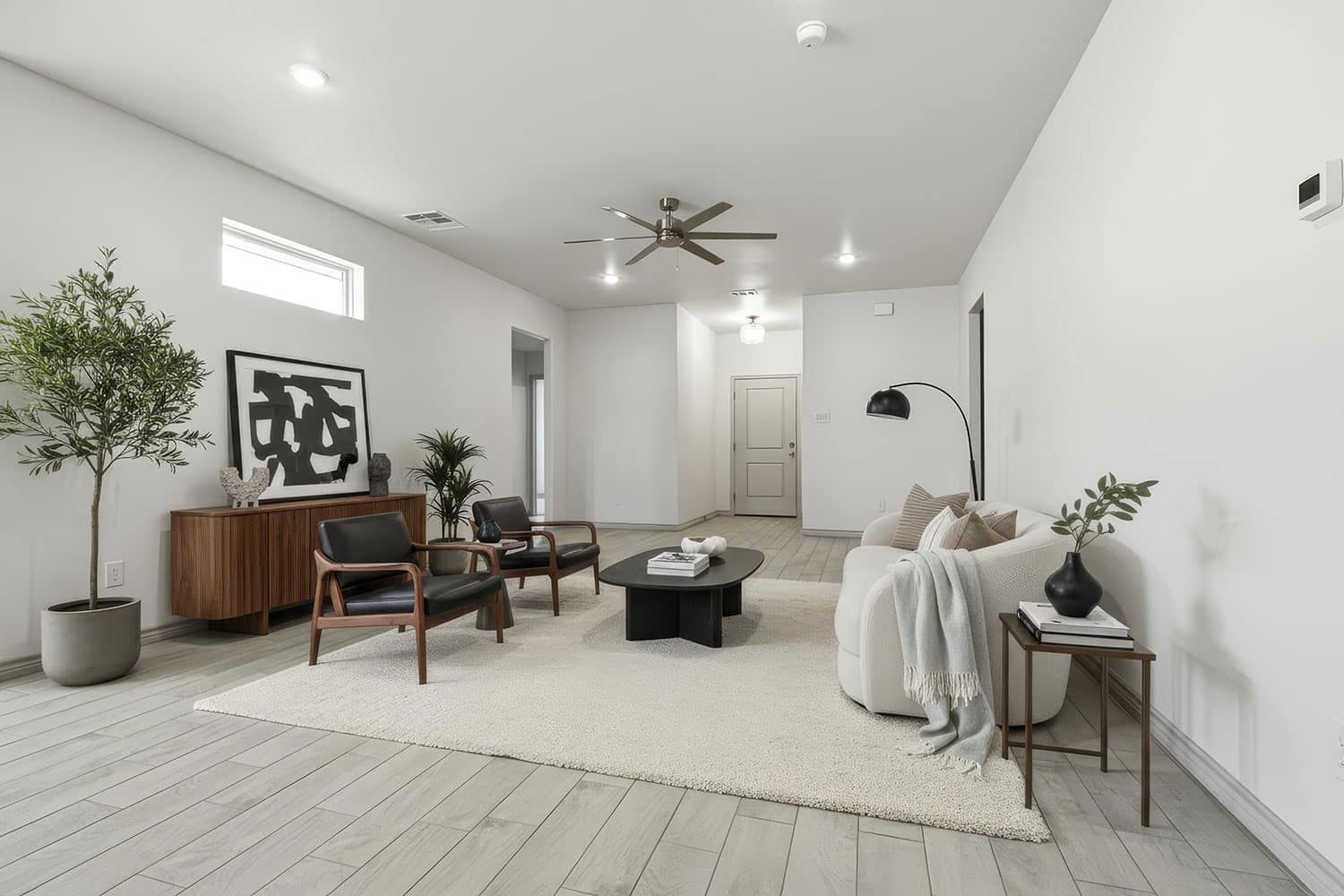
A build-to-rent investment centers on new-construction homes designed from day one as rental properties. These homes are typically part of a larger community with a cohesive layout, durable finishes, and features that appeal to long-term residents.
That distinction matters.
Traditional single-family rentals often come together one property at a time. Different ages. Different floor plans. Different maintenance histories. Build-to-rent communities create a more uniform asset base, which can make operations simpler and performance easier to track over time.
For investors, that brings a few obvious advantages. For renters, it creates something equally important: a place that feels less temporary. More room to breathe. A yard for the dog and a garage that actually fits the car. Those details may sound small on paper, but they shape retention in a big way.
Why Demand Keeps Growing
The momentum behind build-to-rent investment opportunities is tied to a real lifestyle shift. Renters want the comfort of a single-family home without taking on the responsibility of homeownership. Some are relocating for work. Some are waiting out high mortgage rates. Many simply want flexibility without giving up space.
That demand has helped fuel interest in BTR across growth markets, especially in Texas.
In places like Dallas-Fort Worth and the Permian Basin, population movement, job creation, and ongoing housing demand continue to create attractive conditions for rental housing. Investors are paying attention because these are not one-note markets. They bring a mix of economic activity, household formation, and demand for quality homes in communities people actually want to live in.
And honestly, that last part gets overlooked. Renters can tell the difference between a home that was built with long-term durability in mind and one that feels patched together for the sake of speed.
How Build-to-Rent Improves Operational Efficiency
One of the biggest reasons investors explore BTR is operational efficiency.
Scattered-site rentals can be profitable, but they often come with issues. Maintenance teams drive farther. Leasing efforts feel fragmented. Turnover gets harder to manage when every property has its own quirks. It adds up.
A purpose-built rental community helps smooth out those bumps. Homes are located in one area, and construction standards are more consistent. Systems, finishes, and layouts follow a predictable pattern. That makes maintenance planning easier and creates a cleaner resident experience.
Leasing benefits too. The marketing story gets stronger when homes sit inside a recognizable community. Residents are not evaluating one isolated house. They are considering the overall environment, the layout, the neighborhood feel, and the lifestyle that comes with it.
For investors who care about scale, that matters. A more organized operating model can support stronger margins over time and reduce some of the chaos that comes with managing one-off homes across multiple submarkets.
Why New Construction Appeals to Investors
There is another reason build-to-rent investment Texas keeps gaining attention: new construction can reduce early surprises.
Older homes often carry hidden costs. Roof issues. HVAC replacements. Plumbing repairs that show up at the worst possible time. Anyone who has held rental property for long enough knows that sinking feeling when a “small repair” turns into a weekend-consuming, budget-busting mess.
New homes can offer a different starting point.
With thoughtfully designed floor plans, current building standards, and quality standard features, investors may face fewer near-term repair needs compared with aging housing stock. That supports more predictable budgeting in the first years of ownership. It also helps protect the resident experience, which matters if your goal is stronger renewals and lower turnover.
Of course, no investment is maintenance-free. Real estate never works that way. Still, starting with a fresh asset can create breathing room and a more stable runway.
How to Invest in Build-to-Rent With a Long-Term View
If you’re asking how to invest in build-to-rent, the answer starts with more than the homes themselves. Location, design, and builder quality all carry weight.
A strong BTR opportunity should be grounded in real market demand. Investors need to look at job growth, rental demand, absorption trends, and the appeal of the local submarket. Then comes the product itself. Are the homes designed for the way residents actually live? Do the layouts make sense? Are the finishes durable enough for long-term performance?
Then there is the operator.
This piece is easy to underestimate. A good builder or developer does more than deliver units. They shape the resident experience, the quality of the asset, and the long-term resilience of the community. A generic rental property will blend into the crowd fast. A well-planned community built with care has a better chance of standing out.
That is where experience and process count. Investors want partners who think beyond the initial construction phase and understand what supports value over time.
Why Silver Leaf Homes Is Part of the Conversation
Silver Leaf Homes brings a quality-first, guided approach to building communities in Texas. With decades of experience, a people-first mindset, and a focus on durable, well-designed homes, we understand that long-term value begins with disciplined planning and thoughtful construction.
That philosophy carries over into build-to-rent communities.
Instead of chasing shortcuts, Silver Leaf focuses on homes and neighborhoods that support resident satisfaction and lasting performance. For investors, that means looking at assets shaped by practical design, clear communication, and a strong understanding of Texas growth markets, including DFW and West Texas.
There’s a human side to all of this, too. Residents want homes that feel comfortable, functional, and cared for. Investors want assets that will hold up over time. Those goals work better together than people think.
The Bigger Picture for Investors
Build-to-rent is gaining momentum because it lines up with what the market is asking for. Renters want more space and neighborhood-style living. Investors want stable cash flow, operational clarity, and room to grow. Purpose-built rental communities sit right in the middle of that overlap. For the right investor, this model can support recurring income, resident retention, and a more scalable portfolio.
If you’re exploring build-to-rent investment opportunities and want to better understand what makes a community stand out, Silver Leaf Homes offers a grounded perspective shaped by quality construction, market-driven planning, and a real commitment to building with care.
Ready to explore where build-to-rent could take your portfolio? Connect with Silver Leaf Homes to learn more about emerging opportunities in Texas and the long-term value of purpose-built rental housing.
FAQs About Build-To-Rent Investment
How is Build-to-Rent different from buying up existing rental homes?
Age and consistency, mostly. Buy resales one at a time, and you inherit different roof ages and plumbing histories, plus a repair calendar somebody else wrote. A Build-to-Rent community gets planned, permitted, and built together, so the systems are the same vintage, the finishes match across units, and your capital expense picture starts at zero. Turnover gets simpler because a maintenance crew learns one set of homes instead of six.
Do I need to already own the land?
No. Some investors come to us with acreage they want to put to work, and we‘ll look hard at what it can support. Others would rather we handle land strategy from the ground up. Either way, our team studies growth patterns, employment centers, school zones, and rental demand before anything gets platted, so the site comes with a reason behind it.
Which Texas markets do you build Build-to-Rent communities in?
Greater Dallas-Fort Worth and West Texas. Our active communities sit in Azle, Weatherford, Brock, Coahoma, Big Spring, Midland, and Odessa. DFW and the Permian Basin behave differently on the rental side, and we will walk you through what that means for occupancy and rent growth in whichever one you’re eyeing.
How many homes does a community need for the model to make sense?
There’s no magic number, and we would rather talk through your capital plan than hand you a minimum. What we can tell you is that the economics tighten up as unit count grows, since repeatable floor plans and one construction team keep per-home costs steady. A small phased start works. So does a larger build released over time.
What do the homes look like, and can I have input on the specs?
Same floor plans and same standard options our homebuyers get, with the design decisions weighted toward how a home rents. Durable surfaces, layouts for families, and standard features that keep add-on costs down. If your leasing strategy calls for something specific, raise it early, and we’ll talk through what it does to cost and schedule.
Do you handle property management and leasing?
We build. Leasing and day-to-day management stay with you or with the manager you hire, which keeps you free to run the asset your way. We stay in the picture for warranty support after closing, so your management company has a real number to call when something needs attention.
Does warranty coverage apply to investor-owned homes?
Yes. Every home we build comes with warranty support after closing, covering workmanship, major systems, and structural components. That coverage carries more weight across a rental portfolio than it does on a single house, because one structural issue repeating through a community is the kind of thing that reshapes a year of returns.
What are my exit options down the road?
Hold the community and collect rent. Sell it as a package to another operator. Or release homes individually to retail buyers when the market gives you room. Each home is a standalone single-family residence built to state and local code with its own title, so you keep more than one kind of buyer available to you as conditions change.
Do you offer financing for Build-to-Rent projects?
We don’t lend, and we don’t run an in-house program. You bring the lender or capital partner that fits your structure, and our team coordinates construction and closing details so the build isn’t sitting idle waiting on paperwork.